
GARBAGE DISPOSAL
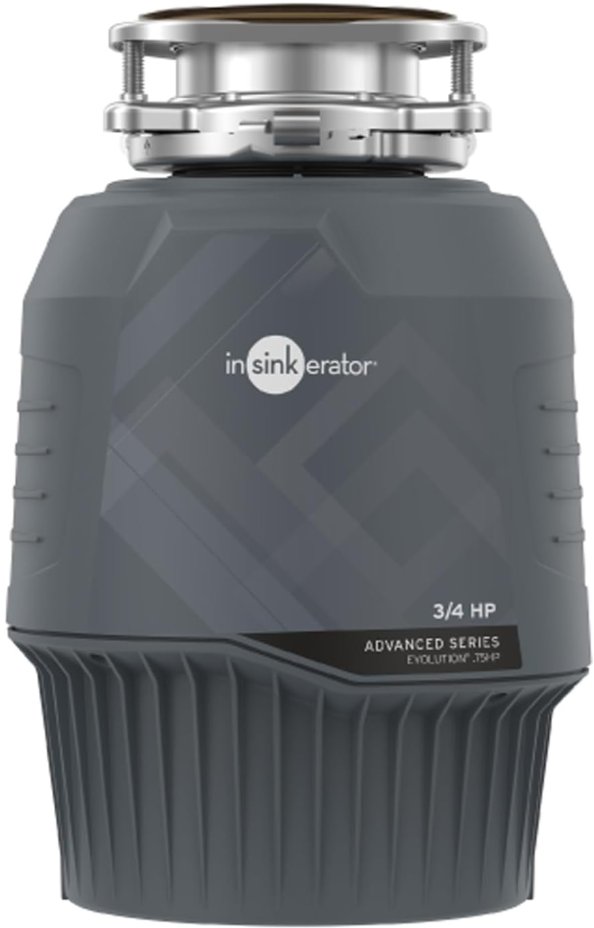
Kitchen Sink Disposal
Operating guide for the kitchen sink disposal — how to run it, what it's for, and why it matters more here than in a typical home.
01
How to use it
- Turn on cold water at the sink and let it run.
- Switch the disposal on — the switch is usually a wall switch or button near the sink.
- Let it run for a few seconds after the grinding sound stops, to flush everything through.
- Switch the disposal off first, then turn off the water a few seconds later.
Always use cold water, not hot — cold water keeps any grease solid enough to grind and flush through rather than melting and coating the pipes.
02
What it's for — and what it isn't
This property is on a septic system, not municipal sewer, which changes what the disposal is actually meant for. It is there to handle the small bits of food that come off plates and cookware during a normal pre-rinse before loading the dishwasher — a few grains of rice, some sauce residue, a small vegetable scrap. That incidental, rinsed-off amount is what the disposal and the septic tank's bacteria can comfortably handle.
It is not a food waste bin. Scraping meaningful amounts of leftover food into the sink and grinding it sends a concentrated load of solids into the septic tank faster than the tank's bacteria can break it down, which disrupts the whole system over time.
The simple rule: scrape plates into the trash first, then rinse. Let the disposal handle only what comes off naturally during that rinse.
03
What never goes down it
- Plates with significant food left on them — scrape those into the trash first
- Coffee grounds
- Grease or cooking oil
- Fibrous vegetables — celery, corn husks, artichoke leaves
- Starchy foods in any volume — pasta, rice, potato peels expand and can clog
- Bones or anything hard
- Anything non-food — plastic, glass, metal, paper
04
If it won't turn on or jams
Switch the disposal off immediately and never put your hand inside it.
Humming but not spinning
This usually means something is jammed. Switch the disposal off, then use tongs or the handle end of a wooden spoon — never your hand — to try to dislodge whatever is caught.
Reset button
Most disposals have a small red or black reset button on the underside of the unit, beneath the sink. If the disposal has stopped responding entirely, switching it off, waiting a minute, and pressing the reset button will often bring it back.
Still not working?
Please contact us through the booking platform rather than trying to force it further — we're happy to help.
05
Care and odor control
A few ice cubes run through the disposal occasionally help clean the blades. A small piece of citrus peel run through afterward can freshen the smell — both in small amounts only, not as a way to dispose of larger scraps.